Chicken Subway guide

Chicken Subway Strategies

A practical look at risk levels, session planning and the decisions that can make fast gameplay easier to manage.

Important: no strategy can predict a result, remove the house edge or guarantee a profit. Treat every round as entertainment, not income.
Play Chicken Subway now
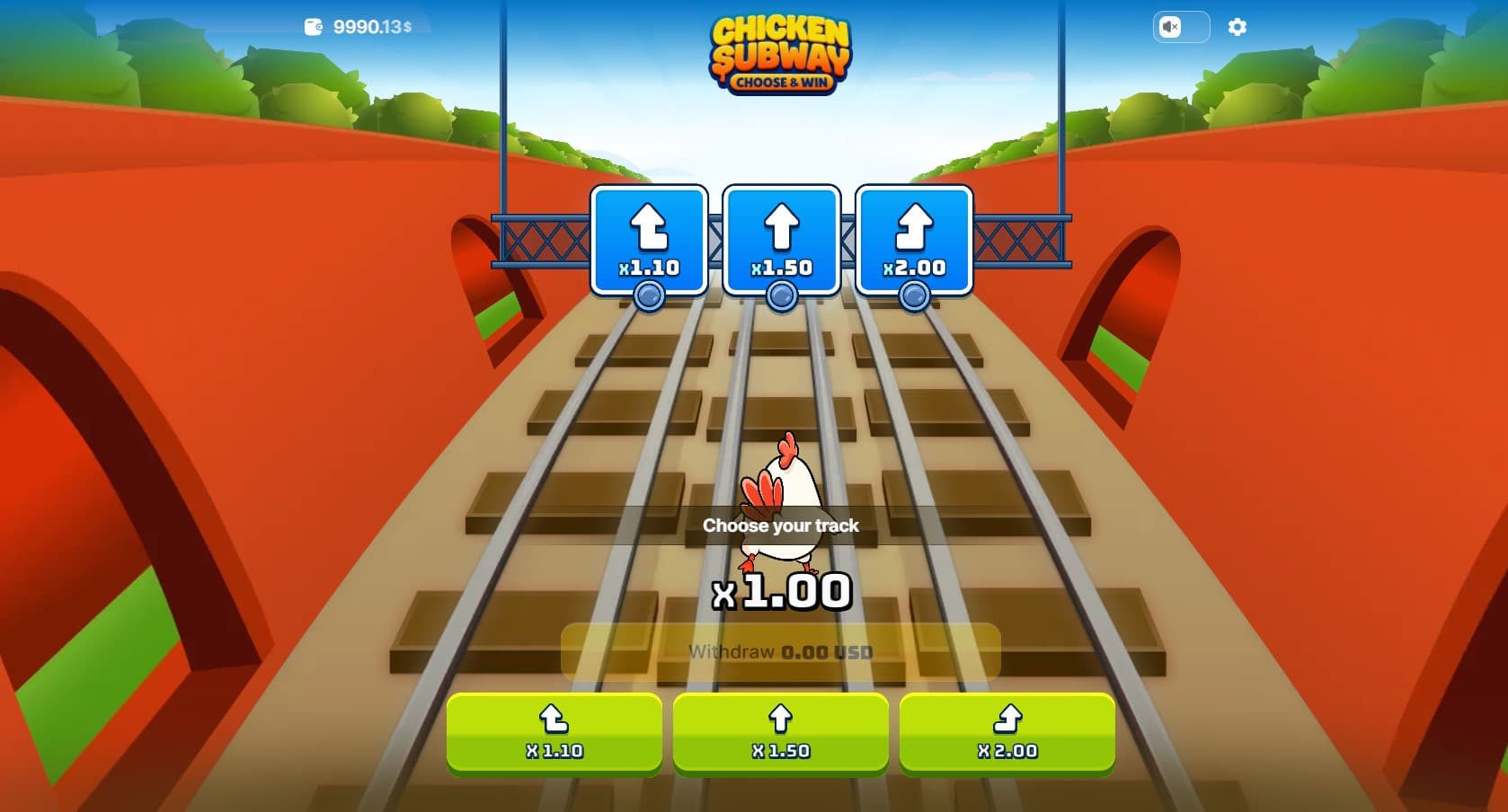
Chicken Subway game screen

Start with the reality

Understanding risk before choosing a style

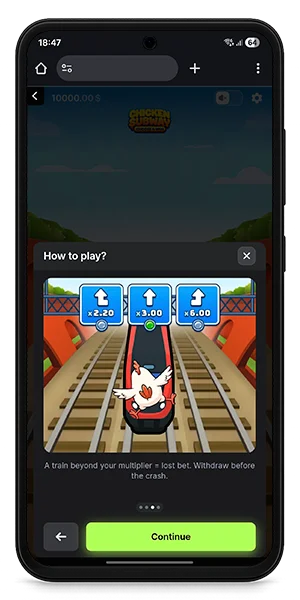
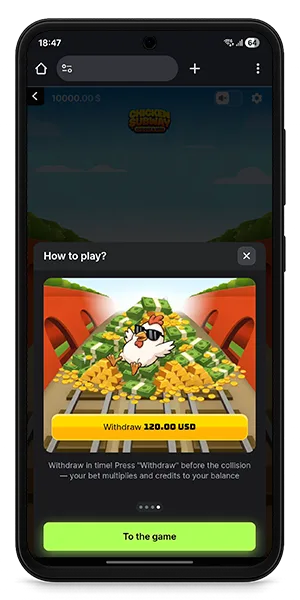
Multiplier games are built around uncertainty. A run can end before a chosen target appears, and a previous result does not make the next result more or less likely.

That is why a useful “strategy” is primarily a decision framework: decide what you are willing to spend, how long you want to play, and when you will stop before the round begins.

Chicken Subway round preview
Three ideas worth remembering
Independent roundsPrevious wins or losses do not create a due result in the next round.
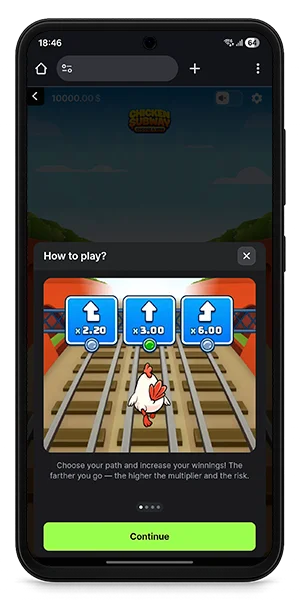
Multiplier riskWaiting for a larger multiplier also means accepting a greater chance that the run ends first.
Session purposeSet an entertainment budget rather than treating a game session as a financial plan.

Three risk profiles

Choose a pace that matches your comfort level

01

Lower-volatility approach

Focus: shorter decisions and smaller swings.

This profile may suit people who prefer to learn the interface slowly and keep each round within a modest pre-set amount. It does not eliminate risk or produce guaranteed results.

  • Set a small entertainment-only amount.
  • Decide a short session length in advance.
  • Stop when the limit is reached.
02

Balanced approach

Focus: a defined target with room for variation.

This profile involves accepting more uncertainty while using a pre-planned cash-out idea and a clear session boundary. Do not change the plan simply because a previous round ended unexpectedly.

  • Use a single pre-set target per round.
  • Keep a fixed stake rather than chasing.
  • Pause after a run that feels emotional.
03

High-volatility approach

Focus: larger possible multipliers and larger downside.

Waiting longer can lead to bigger displayed multipliers, but it also increases the likelihood of a run ending before cash out. This approach can use a budget quickly and is not suitable for everyone.

  • Only use an amount you can lose completely.
  • Set a strict stop point before playing.
  • Never increase a bet to recover a loss.

Play now

Chicken Subway multiplier screen

Session planning

Manage the session, not the outcome

A personal limit will not change a game’s mathematics, but it can make your choices clearer. Decide your budget, time and stop point before a session, then follow them even if you feel tempted to continue.

Set three limits before playing
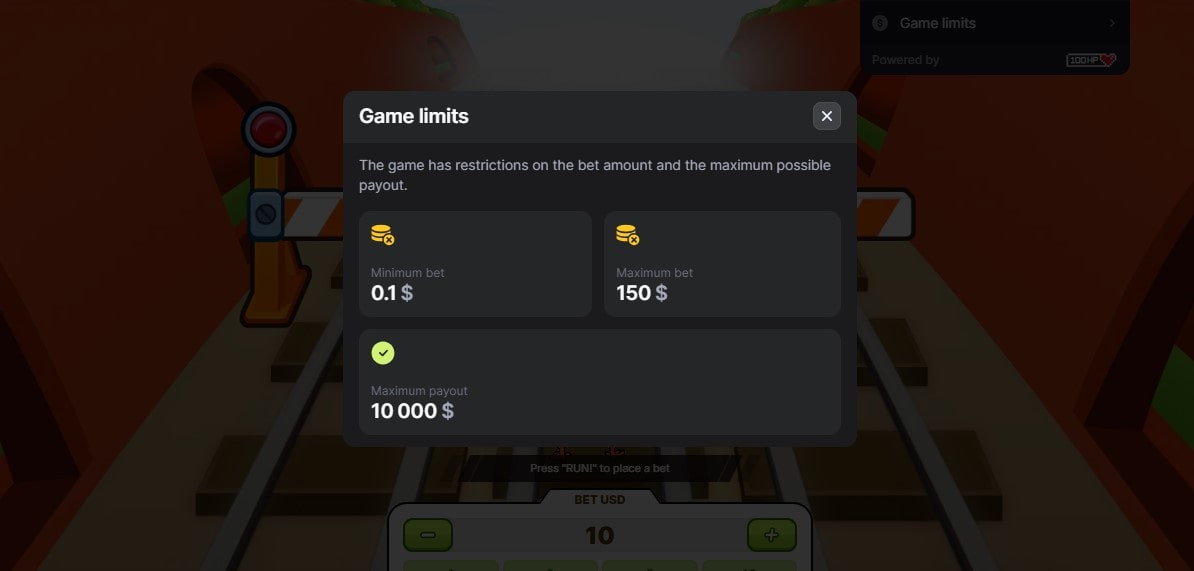
Spend limitThe maximum entertainment amount you are comfortable using.
Time limitA timer or defined end point for the session.
Stop ruleA clear reason to close the game: a limit, a break, or simply no longer having fun.

Myth check

What does not improve your odds

“A win is due after losses.”

Past results do not force the next round to behave differently. Avoid making a larger bet because a result feels overdue.

“Doubling a stake will recover losses.”

Increasing bets can exhaust a budget faster. It does not turn an uncertain result into a guaranteed one.

“A certain track is always luckier.”

A track position should not be treated as a reliable pattern. Check the current game rules instead of trusting superstition.

“A bigger stake has better value.”

A larger stake increases the money at risk. It does not make a future result predictable or create a guaranteed return.

Chicken Subway game scene

Final reminder

Play for enjoyment, not expectation

Read the current game rules, set your limits first and take a break whenever the experience stops being enjoyable. If gambling is causing concern, consider reaching out to a recognised local support service.

Play Chicken Subway now
Chicken Subway game preview